If you remember within a few hours, take the missed dose.
If it is almost time for your next dose, skip the missed one.
Do not take two doses together unless your doctor advises it.



Welcome to Health Answers, your trusted resource for understanding common health conditions like diabetes, hypertension, cholesterol issues, and more. We break down complex medical topics into clear, easy-to-understand explanations, so you can feel informed and empowered when it comes to your health.
Please note: These answers are for general information only and do not replace professional medical consultation.
If you remember within a few hours, take the missed dose.
If it is almost time for your next dose, skip the missed one.
Do not take two doses together unless your doctor advises it.
No. Many medicines need to be taken for the full prescribed duration, especially antibiotics and blood pressure medicines.
Stopping early can cause the illness to return or worsen.
Some medicines must be taken on an empty stomach, while others can irritate the stomach.
If unsure, take medicine after food or check the label or ask a doctor.
Some medicines can be taken together, but others interact and cause harm.
Always tell your doctor about all medicines, supplements, and herbal products you are using.
No. Herbal medicines can also cause side effects and drug interactions.
“Natural” does not always mean safe.
Fever is usually harmless, but seek medical advice if:
Fever lasts more than 3 days
Temperature is very high
Fever occurs in children, elderly, or pregnant women
Fever is associated with confusion, rash, or breathing difficulty
Drink water
Rest in a quiet, dark room
Reduce screen time
Manage stress
If headache is severe, frequent, or sudden, consult a doctor.
Not always. It can be due to stress, fatigue, or minor infections.
But pain that is severe, persistent, or associated with swelling or weakness needs medical evaluation.
In many cases, yes. These medicines control the disease, they do not cure it.
Stopping them suddenly can be dangerous.
Healthy diet, exercise, weight control, and stress management greatly help, but medicines should not be stopped without medical advice.
High blood pressure and diabetes often cause no symptoms in early stages.
That is why they are called “silent diseases.” Regular checking is very important.
Yes. Stress releases hormones that can raise blood pressure and blood sugar levels.
Managing stress is an important part of long-term control.
Yes. Stopping medicine suddenly can cause sudden rise in BP or sugar, which may lead to heart attack, stroke, or other complications.
Always consult your doctor before stopping or changing medicine.
Regular tests help check if:
The medicine is working
The dose is correct
There are any side effects
Testing helps prevent long-term complications.
If not properly controlled, they can damage the heart, kidneys, eyes, and nerves.
Good medicine adherence, lifestyle changes, and regular follow-up greatly reduce this risk.
Common signs include:
Nausea or vomiting
Dizziness
Skin rash
Unusual tiredness
If symptoms are severe or new, stop the medicine and consult a doctor.
No. Regular use of painkillers can damage the stomach, kidneys, or heart.
Pain that requires daily medicine needs proper evaluation.
Self-medication can:
Hide serious diseases
Cause drug interactions
Lead to resistance (especially antibiotics)
Delay proper treatment
Please book an appointment if you have:
Symptoms lasting more than a few days
Severe pain or high fever
Multiple medical conditions
Questions about long-term medicines
Uncertainty about drug safety
Get the clarity you need—book an appointment with Dr. Abdul Qudoos today and ask anything about your health, medications, or treatment options.

CUSTOMER SUPPORT DESK
Need help with something?
WhatsApp & Helpline:
+923249502250
info@pharmacologymadeeasy.com
support@pharmacologymadeeasy.com
FOLLOW ON SOCIAL MEDIA
I’m Prof. Dr. Abdul Qudoos. I provide online consultations for patients located worldwide, along with Pharmacology video lectures and notes for medical students across Pakistan. Whether you need medical guidance or academic support, I'm here to help!
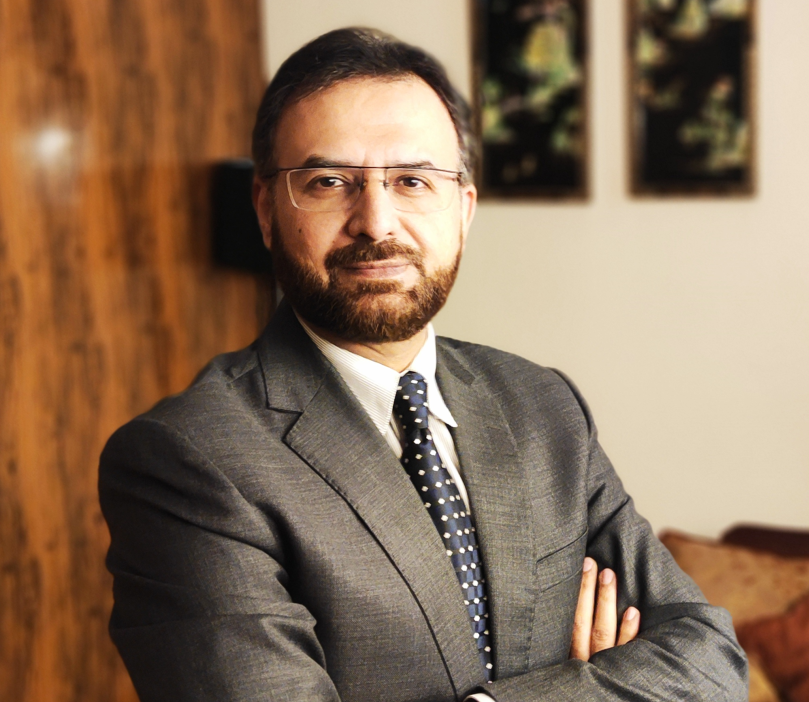
Hi, I’m Prof. Dr. Abdul Qudoos. I provide online consultations for patients located worldwide, along with Pharmacology video lectures and notes for medical students.
WhatsApp & Helpline:
+923249502250
+923330689066
Email:
info@pharmacologymadeeasy.com
Shop trusted health and wellness essentials carefully selected for quality and reliability.